


Macaque Coalition
The world’s only coalition dedicated to macaque protection.
We bring together the people, evidence, and action needed for macaques to live safely and freely.
ONE COALITION, SHARED RESPONSIBILITY
Macaques deserve a future beyond exploitation.
Across Asia, macaques are caught between shrinking habitats, wildlife trade, harmful tourism, and captivity. Macaque Coalition connects advocates, researchers and local organizations to protect them.


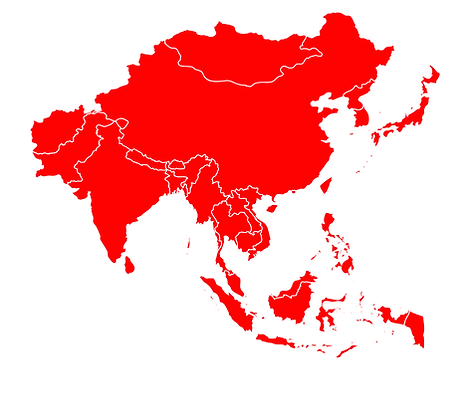
Found across Asia and North Africa
24
Recognized
Species
24 Macaque species Found across Asia and North Africa

THE INTERCONNECTED DRIVERS OF MACAQUE EXPLOITATION
These issues are deeply connected and reinforce each other. Addressing them together is essential for lasting change.





Hunting and capure
Pet keeping
Social media exploitation
Captive Adulthood
Human–Macaque Negative Interactions
Abandonment
Recapture and exploitation

Wild macaques are hunted or captured because they are perceived as "pests", or for food, traditional medicine, the pet trade, and biomedical research.
Their infants are captured alive and sold into the illegal pet trade.
Many pet macaques are exploited in "cute" social media content or monkey torture videos.
As they mature, captive macaques become difficult to manage, leading many owners to abandon or surrender them.
Many are abandoned or illegally released, where they struggle to survive or adapt to the wild.
Habituated macaques are more likely to come into conflict with people and may again be perceived as "pests".
Conflict can result in injury, death, or renewed capture. Some macaques re-enter the wildlife trade or biomedical research supply chain, perpetuating the cycle.
Macaque Coalition (MACC)
The Macaque Coalition is an Asia for Animals Coalition Working Group.
The Asia for Animals Macaque Coalition (MACC) brings together organizations working to protect macaques across Asia and beyond. MACC promotes and facilitates communication and collaboration between advocates, activists, primatologists, academics, and others concerned about the health and welfare of macaques - both as individuals and at the species level.
The macaques are a group of about 24 species, almost exclusively Asian, and include some of the most heavily exploited primate species on earth. From the pet trade to circus performances to the global biomedical industry, from habitat destruction to the capture and slaughter of entire social groups, these primates are in particular need of attention, consideration, understanding and compassion.
MACC is a member-led working group that:
-
Identifies and monitors specific and arising areas of concern;
-
consolidates resources relating to macaque advocacy, welfare and conservation of macaques, particularly those species that are most visible to, and are most frequently exploited by, human beings;
-
unites concerned practitioners, whether their focus is on conservation, research, law enforcement, macaque welfare, human welfare, or otherwise;
-
encourages cross-disciplinary collaboration wherever possible.
Who can join MACC?
MACC membership, like membership in the Asia for Animals (AfA) Coalition Network, is organization-based and not open to individuals. MACC members must first join the AfA Network for free. If you would like more information please email macaques@asiaforanimals.com.
Our Work


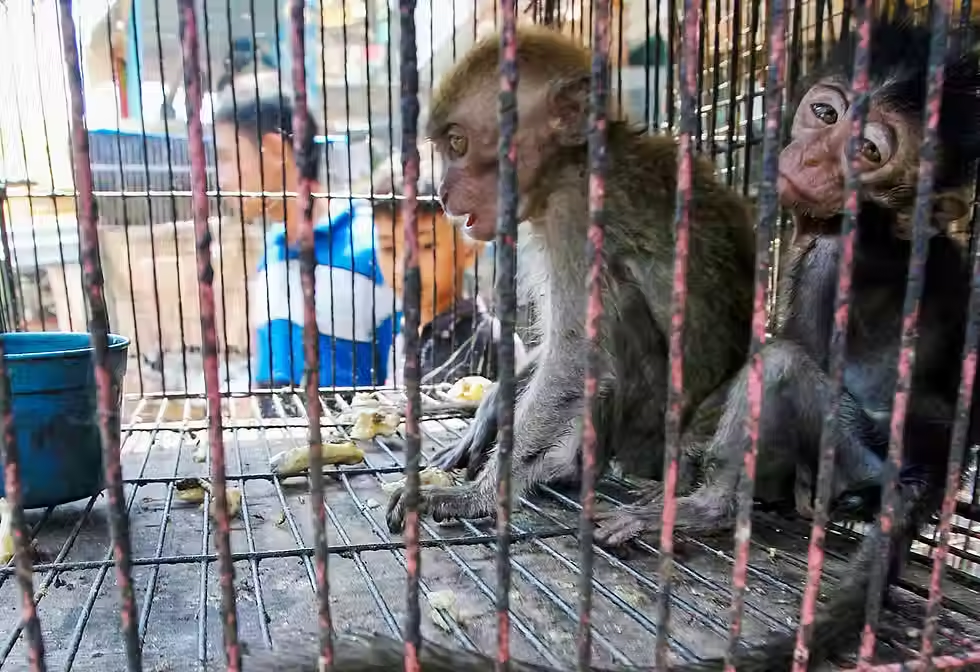


A Crisis Behind Familiar Faces
We see macaques almost everywhere, in temples, on our streets, and even online, yet we rarely see their true nature or the threats they face
More information on these challenges coming soon!
CHALLENGES FACING MACAQUES
MACC Member Organizations
A strong network across Asia and beyond working together to protect macaques


_edited.png)
Are you interested in joining MACC?
Join the Asia for Animals Network for FREE
For more information about MACC, please contact our
MACC Coordinator Amanda Yonica at macc@asiaforanimals.com